The Top Copier Trends to Watch in 2025: What’s Changing and Why It Matters
As we move into 2025, the copier industry is undergoing rapid transformations. Technology, security concerns, and business needs are all evolving, making it crucial for organizations to stay ahead of the curve. So, what’s changing in the world of copiers, and why should you care?

1. Increased Focus on Security Features
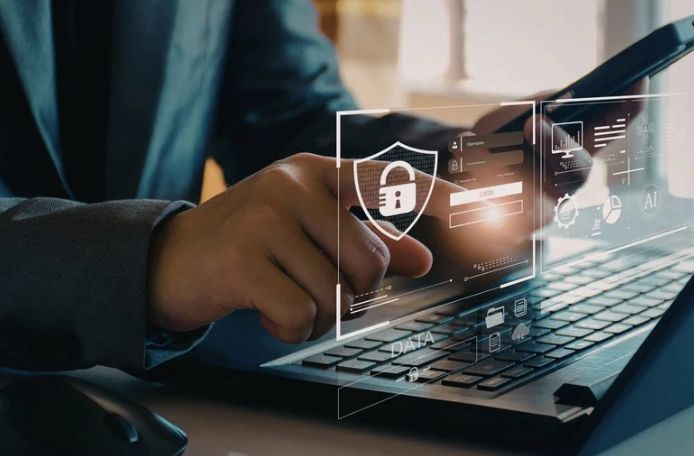
With cyber threats becoming more sophisticated, securing sensitive data is more important than ever. In 2025, copiers are expected to come equipped with even more advanced security features. These include stronger encryption protocols, multi-factor authentication, and improved data destruction methods to protect sensitive information from unauthorized access.
Why it matters: As more businesses handle confidential documents digitally, having robust copier security helps prevent data breaches, ensuring compliance with regulations like GDPR and HIPAA.
2. Cloud Integration Becomes Standard
Cloud-based solutions are no longer optional in today’s business landscape. By 2025, copiers will be fully integrated with cloud services, allowing for seamless document sharing, scanning, and printing from anywhere, at any time. Expect more copiers to support cloud platforms like Google Drive, Microsoft OneDrive, and Dropbox out of the box.
Why it matters: Cloud integration improves flexibility and collaboration in hybrid work environments, enabling remote teams to access and print documents effortlessly.
3. Sustainability Takes Center Stage
Sustainability is a key priority for businesses in 2025, and copiers are no exception. Manufacturers are focusing on creating more energy-efficient, eco-friendly machines. Look for features like energy-saving modes, lower paper consumption with duplex printing, and the use of recyclable materials in production.
Why it matters: Reducing the environmental impact of your office equipment aligns with corporate social responsibility (CSR) goals and can help lower long-term operational costs.
4. AI and Automation for Smarter Workflows
Artificial intelligence (AI) and automation are increasingly being incorporated into copiers to enhance efficiency. Expect more advanced features such as automatic document recognition, intelligent scanning, and even predictive maintenance alerts. These technologies help optimize workflows and reduce manual errors.
Why it matters: Automating routine tasks saves time and minimizes human error, allowing employees to focus on higher-value work. This leads to greater productivity and smoother operations.
5. Remote Management and Monitoring
As businesses continue to embrace remote work and digital transformation, remote management of office equipment will become more common. In 2025, expect to see copiers with enhanced remote monitoring capabilities that allow IT teams to manage, troubleshoot, and update devices without being physically present.
Why it matters: Remote monitoring reduces downtime and enhances operational efficiency by enabling faster resolution of issues, especially in businesses with multiple locations.
6. Subscription-Based Copier Models
Traditional printer/copier leasing models are giving way to subscription-based services. These models offer businesses flexibility in terms of usage, pricing, and maintenance. In 2025, many businesses will move away from the upfront capital cost of purchasing copiers and instead opt for predictable monthly subscription payments.
Why it matters: Subscription models allow businesses to better manage costs and ensure that their copiers are always up to date with the latest features and technology.
7. Mobile Printing and BYOD (Bring Your Own Device) Support
As mobile workforces grow, copiers are becoming more mobile-friendly. In 2025, expect copiers to support a wider range of mobile printing solutions, including Apple AirPrint, Google Cloud Print, and other device-agnostic options. Additionally, businesses will see increased compatibility with Bring Your Own Device (BYOD) policies, making it easier for employees to print from their personal devices.
Why it matters: Mobile printing gives employees the flexibility to work from anywhere while ensuring seamless access to essential printing services.
8. Touchless and Voice-Activated Technology
In response to health concerns and the ongoing trend toward contactless technology, more copiers in 2025 will feature touchless and voice-activated controls. Using voice commands or simple gestures to operate copiers will reduce the need for physical contact, which is especially important in shared workspaces.
Why it matters: Touchless and voice controls enhance user experience, improve hygiene, and make it easier for employees to interact with office equipment in a post-pandemic world.
Conclusion
The copier industry is evolving rapidly in 2025, driven by advancements in security, cloud integration, sustainability, AI, and automation. By staying on top of these trends, businesses can enhance their productivity, reduce costs, and ensure a secure and sustainable office environment.
The future of copiers isn’t just about printing it’s about smarter, more connected, and more efficient workflows that drive success in a rapidly changing business world. Make sure your business is ready to adapt to these innovations and take advantage of the opportunities they bring.
You might also like